
Blog
Dental hygiene tips for healthy teeth & gums
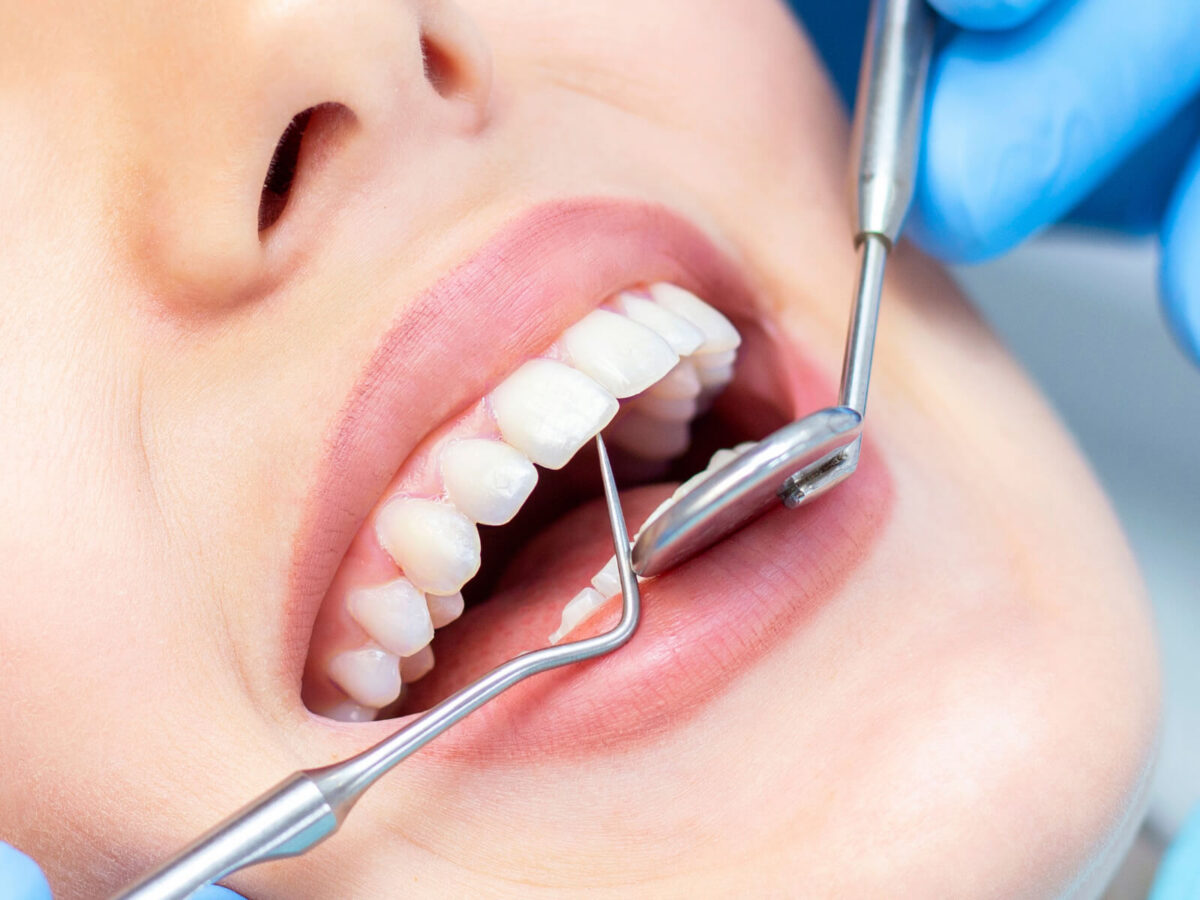
How To Know If You Need A Deep Dental Cleaning
Why We’re Even Talking About This
You’ve probably sat in that chair before. The one with the bright light overhead. Quick polish, bit of scraping, and off you go. Teeth feel smooth, maybe minty, and you think: done for six months. But sometimes that basic polish isn’t enough.
Sometimes what’s happening under your gums is a bigger deal. That’s where deep dental cleaning comes in. Dentists call it scaling and root planing. Sounds intense. It isn’t surgery. But it is different from the “quick sweep” you’re used to.
So the big question: how do you even know when it’s needed?
Regular Cleaning vs. Deep Cleaning: Two Very Different Things
Think of a routine cleaning as surface-level maintenance. The goal is simple—remove soft plaque and some hardened tartar on your teeth above the gumline. Keep things tidy.
Deep cleaning? That’s another layer. It goes under the gums, where bacteria like to settle. And bacteria there don’t just sit quietly. They trigger gum inflammation, bone loss, and loose teeth.
It’s the difference between dusting your living room and actually scrubbing the corners you never see. Both matter. But one is more urgent when things have gone a bit too far.
Clues Your Mouth Might Be Asking for More
Not everything your gums do is normal, even if you’ve had it for years. Some things are worth paying attention to.
Bleeding when you brush or floss. Bad breath that doesn’t go away, even after mouthwash. Gums that look puffy or red. Teeth that seem longer because the gums are pulling back. Or that weird, loose feeling in one or more teeth.
One sign might not mean much. But if you see two or three, don’t ignore them. That’s the time to call your Springtown Dentist, TX. Get it checked early. It’s much easier to fix things at the start. Waiting lets small issues turn into bigger, more annoying problems.
How Gums Get Into Trouble
Plaque never takes a day off. It’s sticky. Invisible at first. Your toothbrush clears some of it. Floss helps. But miss spots often enough, and plaque hardens into tartar.
Once tartar wedges below the gumline, you can’t brush it away. That’s when gums react. They swell. They bleed. Slowly, the gum tissue detaches, creating tiny “pockets.” Pockets are perfect hiding spots for even more bacteria.
It’s a slow chain reaction. Silent at first. That’s why so many people are caught off guard.
What Actually Happens in a Deep Cleaning
Two main steps.
Step One: Scaling
Your dentist or hygienist takes special tools—sometimes buzzing ultrasonic ones that rinse with water—to get tartar off beneath the gums. They clean the roots and the pockets around your teeth. The goal is to get rid of the buildup. That way, your gums can start feeling better and stay strong.
Step Two: Root Planing
This part smooths out the tooth roots. Why? Because rough spots are like Velcro for bacteria. Smooth surfaces give gums a chance to reattach. Healing starts here.
It’s more methodical than dramatic. Think of it as a detox for your gums.
The Pain Question
Does it hurt? That’s fair. Most people get numbed first. You’ll feel pressure, sure. Sharp pain? Not really. Your gums may feel a bit sore afterward. Hot drinks or cold water can make them twinge. Usually, it eases in a couple of days.
A lot of people actually notice their gums feel better soon after—less swollen, less tender. It can be a relief once the first day passes.
What Recovery Looks Like
Right after treatment, a few things happen. Some bleeding on the first day. Gums feel sore. Chewing anything tough might hurt a bit. Cold drinks can make teeth twinge.
Your dentist will tell you what to do. Rinse with salt water, or use a mouthwash if your dentist says so. Eat soft foods while it’s sore. Take things slow. Most people see things settle down in about a week. Everyone heals differently, so go easy and give it time.
Why Deep Cleaning Matters Beyond Your Mouth
Most people don’t think about this, but gum disease doesn’t just stay in your mouth. The bacteria, the swelling—they can affect other parts of your body too. Heart stuff, diabetes, even breathing problems. It’s sneaky.
Keeping your gums in check isn’t just about a nice smile. Brush a bit, floss a bit, rinse if you can. Do it day after day. It really adds up. Over time, your mouth starts to feel better. Your whole body notices it too.
How Often Is It Needed?
Not everyone needs this treatment more than once. Some people respond really well. Their gums heal, and keeping up with regular cleanings is enough to stay on track. Others, especially if gum disease is more advanced, might need the treatment more often—sometimes once a year, or in smaller sections over time.
Your Springtown Dental Office TX will watch how things are going and guide you. They’ll tell you when to come back. Keep an eye on your gums. Catch problems before they start again. The goal isn’t overdoing it. It’s just keeping your mouth in good shape.
What You Can Do After Treatment
After treatment, most of it falls on you. Brush twice a day. Seriously, don’t skip it. Floss too. Even if it feels annoying. Try a water flosser or rinse if your dentist says it helps.
Smoking? If you do, quitting now makes a big difference. It really slows gum healing. Keep going to your check-ups. Don’t wait until something hurts. Gums don’t just fix themselves. Brushing helps. Flossing helps. Rinsing helps. Do a bit each day, and slowly, you’ll see the difference. Your mouth stays healthier. Your smile lasts longer.
When to See the Dentist Fast
Some signs mean don’t wait:
- Gums are bleeding constantly.
- Pain while chewing.
- A tooth that feels like it’s moving.
- Swelling that doesn’t go away.
These are not “wait and see” problems. They’re urgent flags for periodontal issues.
The Bottom Line
Deep dental cleaning sounds intimidating. It’s really just targeted maintenance when plaque and tartar slip past the everyday routine.
The earlier you catch gum problems, the easier the fix. Waiting until teeth loosen or gums recede deeply makes everything harder.
So if you’ve spotted bleeding, swelling, or breath that won’t stay fresh, don’t brush it off. Literally. Call your Springtown Dentist, TX. Ask about scaling and root planing. Healthy gums make a difference—not just for your mouth, but for your whole body too.

