
Blog
Dental hygiene tips for healthy teeth & gums
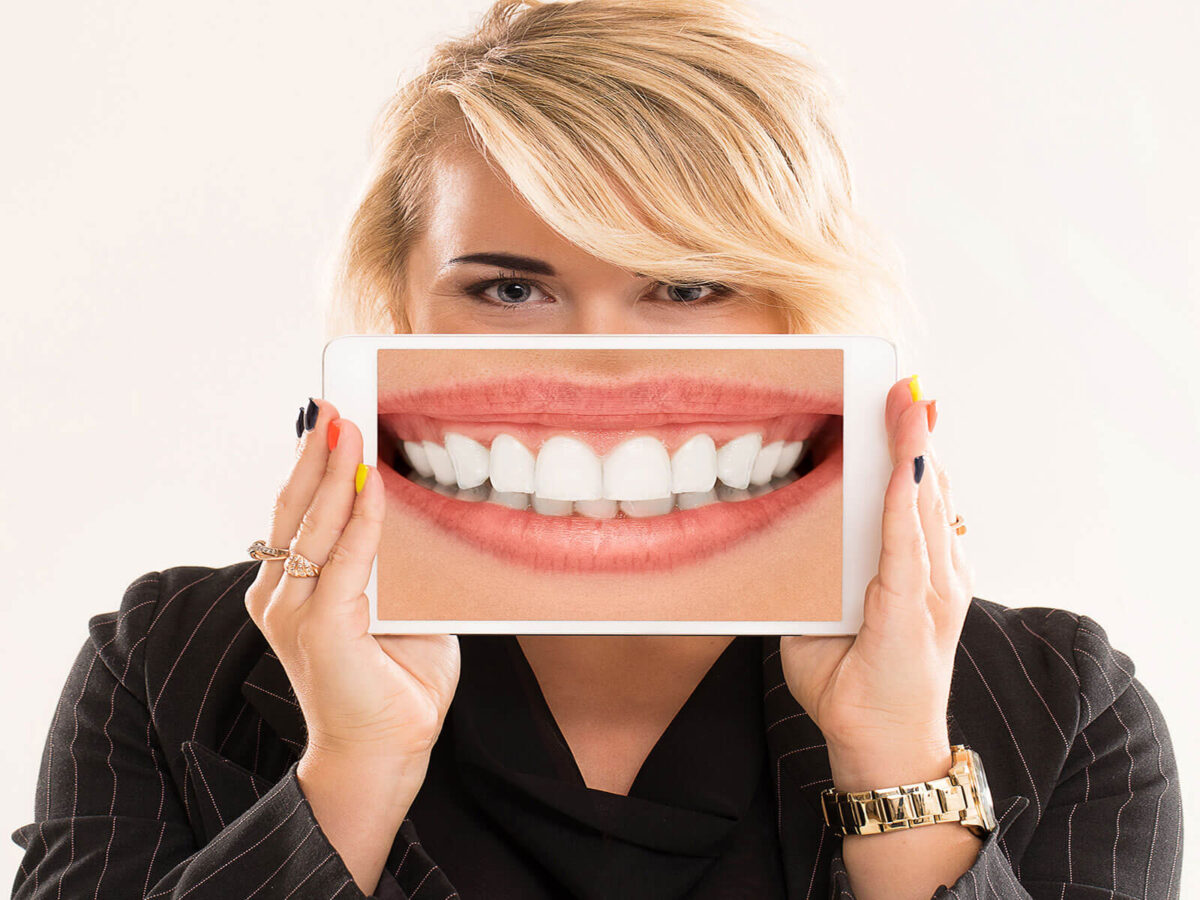
Pros and Cons of Teeth Whitening
Teeth whitening sounds straightforward until you actually go through it. On paper, it feels like quick progress. Whiter teeth. Better smile. End of story. But real life rarely works that cleanly. Some people walk out thrilled with the change almost immediately. Others spend the next few evenings reacting to cold drinks and quietly wondering why nobody warned them about that part.
That is exactly why the teeth whitening pros and cons matter more than polished before and after photos ever will. Whitening is not a bad thing. It just is not magic either. It lives somewhere in the middle. The final experience depends a lot on your teeth, your sensitivity, and even your expectations going in.
Why People Even Think About Whitening
Teeth do not suddenly turn yellow. It happens quietly. One cup of coffee at a time. Years go by, and the smile just looks a little duller. Not unhealthy. Just tired.
That is where whitening feels tempting. One of the biggest pros of teeth whitening is that it can make teeth look cleaner without changing anything else. Same teeth. Same shape. Just lighter. That alone can make someone feel better about smiling in photos or talking up close.
It also feels low-risk compared to other cosmetic treatments. No drilling. No shaving teeth down. Nothing permanent. That makes it easier to say yes.
What Professional Whitening Actually Changes
Professional whitening is mostly about control, and that difference becomes pretty clear once you compare it to everything else out there. The gums are protected before anything starts. The strength is chosen carefully instead of being guessed. The timing is watched the entire time, not rushed or stretched longer than it should be. That structure matters more than people realise.
When people talk about the pros and cons of professional teeth
whitening, this level of control is usually what ends up on the positive side of the conversation. The results tend to look more even instead of patchy. Sensitivity is easier to deal with early, before it turns into soreness that hangs around for days. Dentists can also spot when whitening probably won’t help much, saving people from later disappointment.
The downside is not hidden. It is the cost. Professional whitening is more expensive, and for many people, that alone is enough to pause or say no altogether.
The Good Part People Notice First
When whitening works, it usually shows in small ways first. Teeth catch the light a bit differently. Stains won’t disappear in a day, but they fade. The smile appears cleaner and fresher, even though the shape hasn’t changed.
Something else often happens, too. After whitening, people start noticing their teeth more during the day. They wipe away coffee sooner. They brush for a few extra seconds. That kind of awareness creeps in quietly. It is one of the most ignored pros of teeth whitening. But no one really talks about it.
Sensitivity Is Where Things Get Real
Sensitivity is the part that catches people off guard. Whitening opens tiny pathways in the enamel for a short time. Cold air finds them. Cold water definitely does.
Discomfort is one of the main cons of teeth whitening. It’s not from damage, but from how sensitive teeth can feel. Sometimes very.
Some people barely feel it. Others feel it every time they breathe in through their mouth for a few days. There is no way to predict exactly who will react strongly. That uncertainty matters.
Whitening Has Limits People Don’t Expect
Not every stain listens to whitening, even when everything is done correctly. Internal discolouration caused by trauma or medication often barely shifts. Crowns and fillings do not respond at all.
This is usually where expectations crash. Whitening only works on normal enamel. Past that point, the results usually stop, even if expectations do not. Restorations stay the same colour, no matter what. That reality is a big part of the teeth whitening pros and cons, and it should come up early, before anyone expects more than whitening can deliver.
The Results Do Not Stick Forever
Whitening fades. It is gradual, but it happens. Coffee drinkers usually spot it first. Smokers almost always notice it sooner than they expect.
At that point, repeat treatments become part of the deal. Whitening stops feeling like something you do once and starts acting more like regular maintenance. That ongoing commitment is one of the less talked-about cons of teeth whitening. It works best when people see it as upkeep, not as something they do once and never think about again.
Why Guidance Actually Helps
A dentist can look at your teeth and start to see what whitening might actually accomplish in your case. They can tell if the enamel can handle it, if the stains are likely to respond, and how much time should sit between treatments. That kind of input helps avoid unnecessary sensitivity and a lot of frustration.
When people think through the pros and cons of professional teeth whitening, this is usually the part that stands out. It is not really about speed alone. It is about having a clear idea of what will happen and what probably will not.
Putting Whitening In Its Place
Whitening often leads to teeth looking brighter over time. For many people, that small change quietly makes a difference in how they feel. Stains fade back a bit. But that is where it stops. Whitening does not line teeth up. It does not fix chips, cracks, or worn edges. It also does not replace cleanings or make gum issues go away. Those things still matter, even if the shade looks better.
When whitening is looked at as a small change, things feel easier. People stop expecting a big moment and just notice that their teeth look a bit better day to day.
Conclusion
Teeth whitening can be worth doing for many people. It can also feel less satisfying when hopes run ahead of the results. Whitening can lift the colour of enamel and help with confidence, but that is not the full picture. Sensitivity can appear. Brightness fades over time. Some stains hardly respond. Those limits are part of whitening, even when they are left out of the conversation.
Most people want whiter teeth. A dentist can help explain what really matters and what usually doesn’t. It replaces guessing with something closer to real expectations. Going over the pros and cons of professional teeth whitening gives a better idea of what your teeth are likely to do and where things tend to stop changing. It turns guesses into something closer to real expectations. It also helps avoid discomfort later on and keeps expectations steady. Sometimes that one conversation is enough to decide whether whitening makes sense now or whether it is better left alone.

