
Blog
Dental hygiene tips for healthy teeth & gums
7 Disadvantages of Dental Crowns You Should Know
What Dental Crowns Are And Why People Get Them
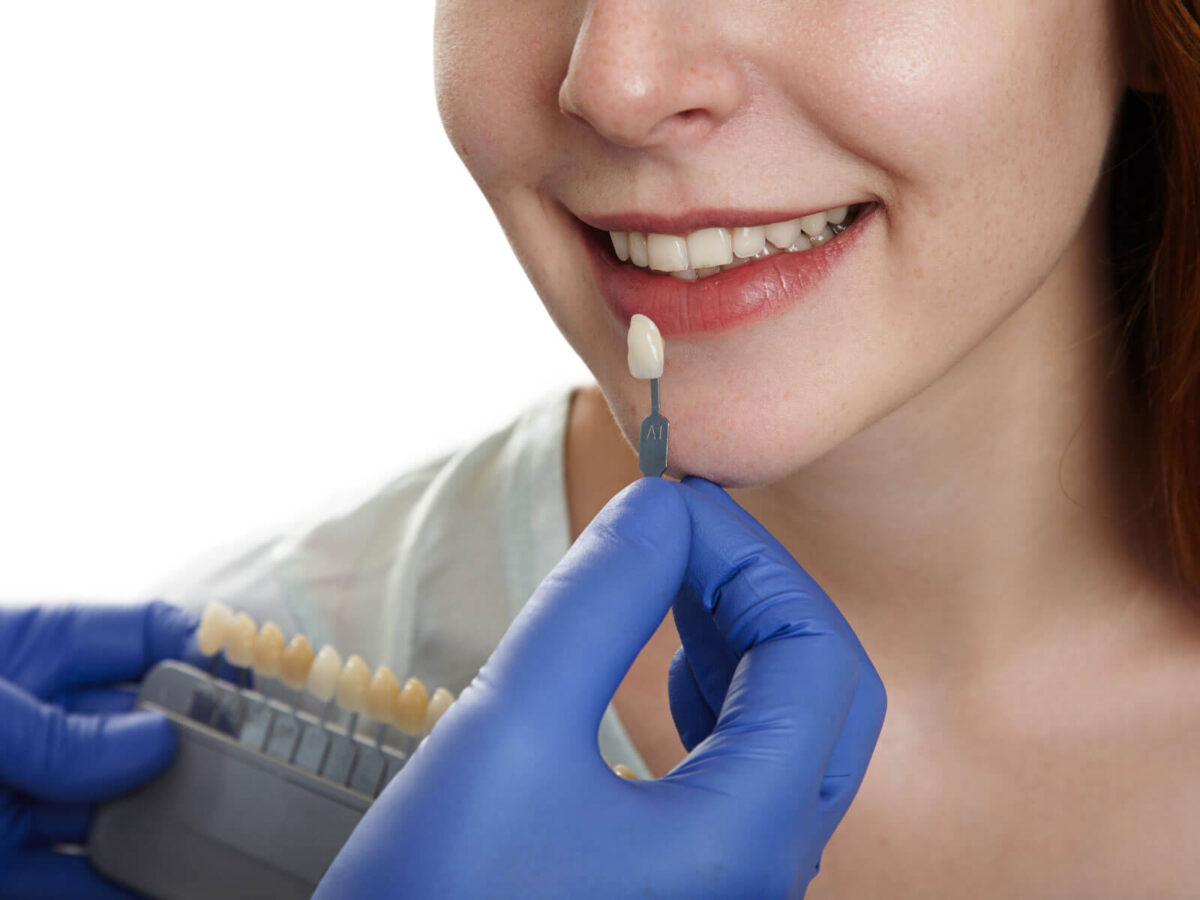
There are times when a tooth starts to give way or gets damaged. That is usually when a crown becomes part of the treatment. It covers the visible portion and helps restore strength and shape. Many people think of it as a permanent solution. Something that fixes the problem and is done.
That idea does not come from nowhere. It does its job and lets you use the tooth again. But it is not always smooth, and small issues can come along at times.
Knowing the disadvantages of dental crowns helps set expectations early. It is not about avoiding the treatment. It is more about understanding that results can vary and small concerns may come up.
The American Dental Association does mention that crowns are widely used. But how long they actually last often comes down to how well they are looked after over time.
Why Tooth Preparation Can Be A Concern
A crown does not just get placed on the tooth as it is. You cannot just place the crown right away. They do need to shape the tooth slightly so everything fits right. Still, that step does come with its own downside. A small part of the natural tooth is taken away. And once it is gone, that is it. It does not grow back or return later.
This is where the disadvantages of dental crowns start to come in. The change is permanent. After this, the tooth is no longer the same on its own and will rely on the crown going forward. Some patients are fine with that. Others take a moment. Because it is not just a procedure. It is a lasting change.
What Sensitivity After Crowns Can Feel Like
Some people notice something feels a bit different after a crown is placed. Not pain exactly, more like sensitivity. It tends to show up with cold drinks or sometimes something hot. Even small things can trigger it.
In a lot of cases, it settles down. Not immediately, but gradually. The tooth usually settles after a while. Even then, in the beginning, it can feel a little odd. Not painful exactly, just not the same as before. And then there are times when it just stays. Not severe, but noticeable. That is one of the problems with capped teeth that patients sometimes bring up later.
A lot depends on how that tooth responds after being worked on. There is no exact pattern. Some settle fast, some take longer.
Why Crowns Can Sometimes Feel Unnatural
Crowns are made to match the feel and function of a natural tooth. In many cases, they do. Once placed, they are meant to sit comfortably and work as the original tooth did. But early on, some people notice something feels a bit different. Not always right away, but it shows up. The bite might feel slightly off, or chewing just doesn’t feel the same in the beginning.
It usually sorts itself out with time. The mouth adjusts slowly, and things start to feel more normal again. Still, those first few days can feel a little strange, sometimes more than expected. It is one of the problems with crowns that people mention now and then. Not a major issue for most, just part of the settling phase.
What It Means When a Crown Feels Loose
A crown is fixed onto the tooth with dental cement. Most of the time, it stays that way for years. You don’t really think about it once it is in place. Still, with time, that hold can change a bit. It does not always happen suddenly. Sometimes it just starts to feel slightly different.
Sometimes you notice it while chewing. A slight movement, or just a feeling that something is off when you bite down. It usually stays in place at first, but still feels different. And in a few cases, it can come off completely, often when you don’t expect it.
When that happens, it is better not to wait. A quick dental visit usually sorts it out. Sometimes the same crown can be placed back. Other times it needs to be replaced.
It is not very common, but it is still one of the disadvantages of dental crowns that people should be aware of.
Why Decay Can Still Occur Under A Crown
A crown only covers what you can see of the tooth. It does not stop decay completely. That part is often misunderstood. The area near the gumline, where the crown sits, is still exposed. Plaque can build up there, and over time, bacteria can get underneath. It does not really show early on, so people usually don’t see it coming.
Many people think a crowned tooth is fully protected and does not need as much care. But that is not really the case. Keeping up with daily cleaning still matters here. If it is ignored, problems can still develop. It is one of the disadvantages of dental crowns that people do not always expect.
How a Crown Starts to Wear Down
Crowns do hold up well and can last for years. But they do not last forever. Over time, daily use can wear them down. Chewing, pressure, and even grinding can affect how long they hold up. Some last longer, some do not. Because of that, maintenance becomes part of having one. It is one of the long-term problems with crowns that patients should keep in mind.
Why Cost Can Be A Limiting Factor
Cost often comes into the picture when considering crowns. They are not always simple or inexpensive, especially if other procedures are required beforehand. Root canals, buildup work, and follow-up care can increase the total cost. For some patients, this becomes one of the disadvantages of dental crowns. Even with long-term value, the initial expense can feel high.
What Differences You Might See in a Crown
Crowns are mostly made to match your normal teeth, and they usually do. But at times it just feels a bit different. Hard to say why. Could be the colour or the shape. Over time, your natural teeth can change, while the crown does not. That can create a small contrast. It is not always obvious, but it is one of the problems with capped teeth.
Why Gum Irritation Can Develop Around Crowns
Now and then, people feel some irritation near the gums after a crown is placed. It doesn’t happen to everyone. Sometimes it is just the fit, or plaque collecting in that area. The gums can feel a little sore. Sometimes, maybe a bit swollen too. Good cleaning usually helps with this. Still, it is one of the problems with crowns that can show up. Getting it checked during regular visits helps make sure the crown still fits properly.
FAQs
What are some downsides to getting a crown?
They are helpful, but shaping the tooth is permanent. Some feel sensitivity, and cost can be a concern.
Are crowns different from fillings?
Yes, crowns take more work and tend to cost more.
What issues can come up with capped teeth?
Sensitivity, looseness, or problems near the edges can happen if cleaning is not consistent.
Do these issues happen often?
In most cases, no. With good care, crowns tend to hold up well.
Conclusion
Dental crowns remain a reliable treatment option. They restore strength and improve function. At the same time, they come with certain limitations.
Knowing about the disadvantages of dental crowns helps people think things through properly. It also gives a better sense of what to expect over time.
Thinking about getting a crown? It helps to talk things through with your dentist, especially about the problems with crowns. It makes the decision feel clearer. You start to see what to expect, and things don’t feel as confusing later.

