
Blog
Dental hygiene tips for healthy teeth & gums
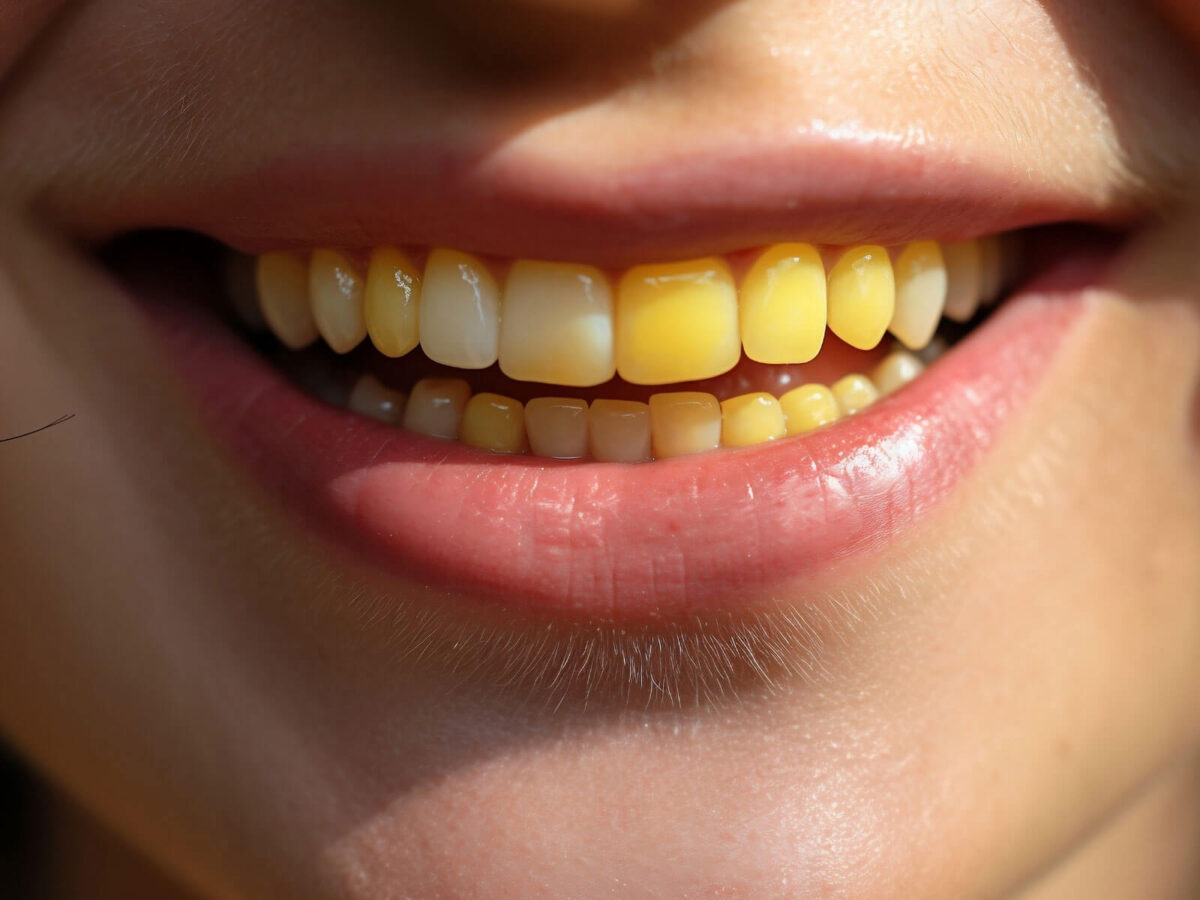
How to Get Rid of Yellow Teeth Safely
Why Teeth Turn Yellow — The Usual Culprits
Yellow teeth rarely appear overnight. The change tends to happen slowly. A morning selfie shows a hint of dullness. A coffee habit, a few years, and suddenly the smile looks older than it should. That’s when many people start thinking about teeth whitening for smokers or other whitening options.
A few things explain that slow shift. Enamel gradually thins with age. When that happens, the yellow dentin beneath starts to show through. Coffee and tea can leave light stains over time. Tobacco speeds the process. Even antibiotics taken in childhood or excess fluoride when teeth were forming can change the shade. The American Dental Association provides practical background on whitening and its causes.
What Lifestyle Habits Make Yellowing Worse
Habits shape the shade of teeth more than people expect. Coffee during the day. Floss was left undone. A cigarette when stress rises. Pigments cling to porous enamel. The change is small at first. Months later, the smile appears duller.
Oral hygiene matters too. Tartar builds slowly and holds onto stains. Whitening becomes harder once it forms. Many people looking into teeth whitening for smokers realize the real issue is the daily routine. Dark sauces, berries, and frequent snacking all add their mark.
Why Daily Care Helps Reduce Yellow Teeth
Sometimes the solution begins with routine care. Nothing dramatic. Just brushing twice a day with attention to technique. A soft toothbrush generally works well for routine brushing. Spend a moment along the gumline. That’s where stains often start to gather.
Flossing matters more than many people think. It reaches the narrow spaces between teeth where stains begin. Rinsing with water after coffee or dark foods can help as well. The change is gradual. No instant transformation, but over time, the smile looks cleaner and brighter.
What Toothpaste Can (And Can’t) Do
Many people begin with whitening toothpaste. No trays. No dental visit. Just a different tube on the bathroom sink. The formula usually contains gentle polishing particles that lift stains sitting on enamel, especially the ones from coffee or tea. Over time, the color can look slightly brighter.
The improvement is often mild. Toothpaste doesn’t reach deep inside the tooth. It mainly lifts stains from enamel. Deeper yellowing inside the tooth will not disappear overnight. For those thinking about teeth whitening for smokers, toothpaste can help slow new stains, though it isn’t a substitute for clinical whitening.
How To Whiten Yellow Teeth Professionally — What Dentists Do
When faster brightening becomes important, many people move toward professional whitening. The procedure happens under professional supervision in a dental office. Dentists watch the process closely, which helps keep the colour even and reduces sensitivity.
Clinical reviews show professional bleaching improves tooth shade significantly when properly applied. For an evidence overview on whitening effectiveness and safety, see this review in the
Why Some Home Remedies Are Risky
The internet loves quick fixes. Baking soda. Lemon juice. Activated charcoal. Every few months, a new post promises dramatic whitening at home. The problem is abrasion. A few of these substances are surprisingly abrasive. At first, the effect isn’t obvious. Gradual wear can occur if they are used too often or too aggressively. Enamel slowly becomes thinner. When that happens, the dentin beneath it shows more clearly, which can make teeth appear more yellow.
Caution matters. Gentle baking soda once in a while is usually harmless. Daily charcoal scrubbing is not. If something feels gritty or suddenly causes sensitivity, stop. Ask a dentist before continuing. Many people searching for teeth whitening for smokers learn the same lesson—protect enamel first. Short-term “wow” results are not worth long-term damage.
When Yellow Teeth Need Cosmetic Dental Treatments
Not every yellow tooth responds to whitening. Sometimes the stain comes from inside the tooth. An old injury. Medication was taken years earlier. Even naturally thin enamel. When that happens, bleaching rarely changes the color very much. Dentists may talk about bonding or veneers instead.
Despite what many people assume, these options do not replace the tooth. Bonding and veneers simply cover the front surface. Color and shape improve, while most of the natural structure stays untouched. Anyone researching teeth whitening for smokers may hear about these alternatives during a dental consultation.
Why Everyday Habits Play A Role In Keeping Teeth White
It is usually more difficult to remove stains than to prevent them. Even some of the daily routines can change with time. The consumption of darker drinks using a straw reduces the amount of pigment applied to the front teeth. Water can also be used to remove residue by rinsing after consumption of coffee, tea, or soda. Another measure that can be taken is to reduce tobacco consumption to reduce the accumulation of staining compounds.
The food and daily visits to a dentist also count. Fruits and vegetables that are crunchy tend to naturally stimulate the saliva and, in the process, brush the tooth surface in the act of chewing. Professional cleanings should still be as regular as the hygienists will be able to take off the tartar and surface stains that do not always go away with daily cleaning.
How To Handle Sensitivity After Whitening
A little sensitivity after whitening treatments is something dentists see quite often. Teeth can react for a short time. Usually only for a few days. For that short recovery period, dentists often mention using toothpaste designed for sensitive teeth. Just to ease things a little. They also usually advise avoiding very hot drinks or very cold foods until the teeth feel normal again.
If sensitivity stays or begins to feel stronger, that is something you should probably not ignore. Contact your dentist. They can review the whitening method that was used. Sometimes switching to a milder or slower treatment works better and keeps the enamel protected.
FAQs
Teeth are looking yellow. What’s the quickest way to improve that?
Professional whitening works the fastest. Dentists use stronger products and control the process. Store kits can help, too, but they usually take longer. It’s best to ask a dentist before trying strong treatments.
Yellow teeth at home. What’s the safe approach?
Safer home options usually include whitening toothpaste. Dentist-provided trays are another. Both are commonly recommended. Try to avoid harsh DIY remedies online. Some of them can wear down enamel over time.
Will veneers make yellow teeth white forever?
Veneers can keep teeth looking bright for years. They resist stains fairly well. But they don’t actually whiten natural teeth. Instead, they cover the front surface and create a consistent colour.
Can yellow teeth become completely white?
Sometimes, yes. Surface stains go away with whitening. Deeper discolouration is different, though. In those cases, treatments like veneers or bonding may be suggested.
Conclusion
Yellow teeth are fairly common. Most dentists see it every day. The good news is that it can often be improved. Simple habits come first. Better brushing. Regular flossing. Small habits like these make a difference. Often more than people expect. If someone wants stronger whitening later, a dentist can walk them through the safer options.
Online shortcuts to get rid of yellow teeth are everywhere. Some promise results overnight. That sounds appealing, but it can harm enamel. Teeth are not meant for harsh treatments. Protect the surface. Choose methods that keep the tooth structure strong. A bright smile should still be a healthy one.
Not sure why your teeth look yellow. That is actually quite common. A dentist can help figure it out. During an exam, they check the enamel. Look for deeper staining and review overall oral health. After that, they can suggest ways to get rid of yellow teeth or explain how to whiten yellow teeth safely. Getting advice early usually saves time. It also helps protect your smile over the long term.

