
Blog
Dental hygiene tips for healthy teeth & gums
Impacted vs. Erupted Wisdom Teeth: What’s the Difference?
The way wisdom teeth are explained sounds easy enough. They come in, or they don’t. That’s it. But things change when it’s you dealing with it. There’s something at the back of your mouth. You just can’t really figure it out. It doesn’t feel like an obvious “tooth coming in” thing. It takes its time.
Sometimes you just notice pressure. For a bit, it feels off. Then it goes away again, so you just ignore it like it’s nothing. Feels like nothing serious. Then it comes back a few days later, and you start paying attention.
That’s usually where this whole impacted vs erupted wisdom tooth difference starts to matter, even if you’re not calling it that yet.
What It Really Feels Like When a Tooth Comes In
An erupted wisdom tooth means the tooth has come through the gums. But the process isn’t how people picture it. It doesn’t suddenly appear like that.
It usually moves in slowly. While it’s coming in, the gum around it can feel a bit sore. It’s not constant, just on and off. You’ll probably notice it more when eating or brushing, especially if that area gets touched. Then it settles down for a while. Then it comes back again.
It can last for a while, honestly, longer than expected. And you’re not always sure when it’s finished coming in. You don’t really get a moment where it feels finished. Then gradually, it just feels normal, and you stop noticing it as much. It sort of becomes just another tooth over time. Even if, deep down, it still feels a bit different at the back.
When the Tooth Doesn’t Quite Make It Through
This is where things start to feel different. An impacted tooth doesn’t complete that process. It starts to come in, but doesn’t really finish. Sometimes it stays under the gum. Sometimes only a bit shows. And sometimes it grows sideways instead of straight.
Instead of moving into place, it might push against the tooth next to it, which creates pressure that doesn’t really go away. Not sharp pain, at least not at first, just something that feels… off. That’s the simplest way to understand impacted vs normal wisdom teeth. One comes through. The other doesn’t.
Why It’s Not Always Obvious Right Away
This part throws people off. You can have an impacted tooth and not feel anything for a long time. No pain or swelling. Nothing that makes you feel something’s wrong. It just sits there under the surface, not really doing much. Then slowly, something changes.
You start noticing small things. A bit of discomfort when chewing. Maybe pressure that feels deeper than usual. It doesn’t look like an emergency, so it gets ignored for a bit. But it doesn’t fully go away. That’s usually when it starts becoming noticeable.
Erupted Teeth Can Still Feel a Bit Strange
Even after it comes through, it doesn’t really feel normal. It’s right at the back, so cleaning it properly isn’t that easy. You might miss it while brushing, or just not reach it properly. After some time, that area can start feeling irritated. Food also gets stuck there more often.
So even an erupted wisdom tooth can feel slightly uncomfortable from time to time, especially if it’s not positioned perfectly. Not a major problem. But not completely smooth either.
The Space Problem (Which Is Usually the Real Issue)
Most of this comes down to space, even if it doesn’t seem like it at first. Your jaw only has so much room, and wisdom teeth are the last ones to arrive. If there’s enough space, they come in. If space isn’t there, they’ve got nowhere to go. So they stay trapped, or they shift direction.
That’s why impacted vs erupted wisdom tooth isn’t really about something being wrong. It’s just about whether the tooth had enough room to come in properly.
According to the National Institute of Dental and Craniofacial Research, impacted wisdom teeth are common and often linked to limited space in the jaw. So this isn’t unusual.
What You Might Notice Without Realizing It’s Related
This is where things aren’t that obvious. Your jaw can feel slightly stiff when you open it wide. Or there’s a bit of tenderness at the back if your tongue presses there. Sometimes your bite feels a bit off. Like one side doesn’t sit right. Still, none of it feels serious. And that’s the problem. It doesn’t make you act right away.
When It Starts Turning Into a Problem
If an impacted tooth stays like that, problems can show up later. It’s harder to clean around it, so bacteria start building there. Early on, you don’t really notice much. Maybe a little irritation. Then it can turn into swelling. In some cases, even an infection if it keeps going.
The Mayo Clinic mentions that impacted wisdom teeth can sometimes cause pain and affect nearby teeth. It can lead to gum problems if ignored. Right now, it might feel manageable. But that doesn’t always stay the same. Things build slowly, and before you know it, it might need more attention.
How Dentists Actually Figure It Out
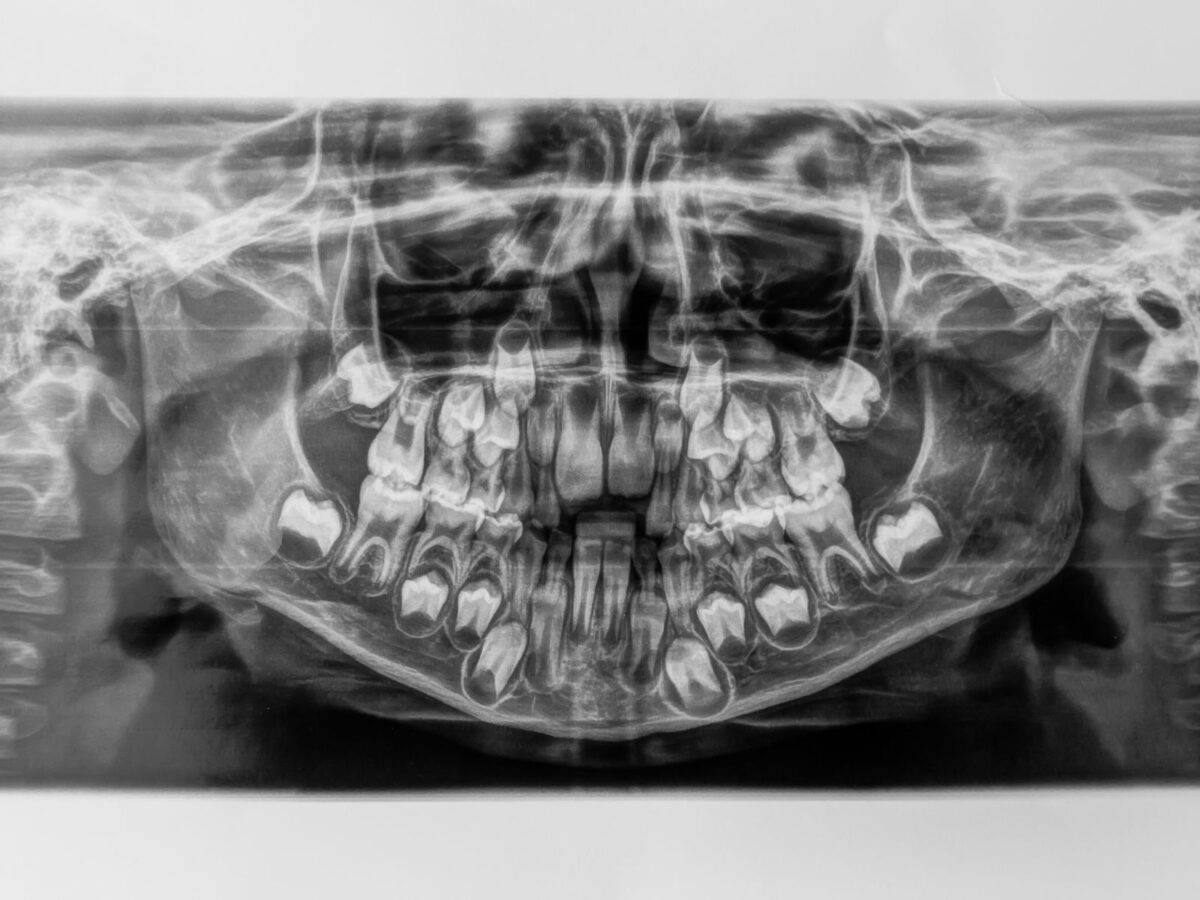
You go with how it feels. But that’s not always enough. Sometimes it looks like it’s come through, but part of it is still under the gum. Other times, you don’t see anything at all. And it’s still there. That’s why X-rays help. They show where the tooth actually sits, not just what you can see.
So the difference between impacted vs erupted wisdom teeth is usually confirmed through imaging instead of just symptoms.
When Nothing Seems Wrong (But Something Still Is)
This is probably the most confusing part. You can have an impacted tooth and feel nothing at all. Everything seems okay. No pain, no swelling, nothing obvious. But that doesn’t always mean nothing’s wrong. It could just not be noticeable yet. And that’s usually why dentists keep an eye on these teeth even when there are no symptoms.
What Usually Happens Next
A lot of people assume all wisdom teeth need to be removed. That’s not always true. If the tooth has come in properly and isn’t causing problems, it can stay without any issue. You just need to keep that area clean and have it checked from time to time. Nothing complicated. Impacted teeth, though, are a different case. They don’t always come in properly, and that can lead to issues later.
If they start causing discomfort or signs of infection show up, removal is usually suggested. In some cases, it’s recommended earlier too, depending on how the tooth is positioned. The idea of impacted vs erupted wisdom tooth matters here. So it really comes down to the situation.
FAQs
1. What is impacted vs erupted wisdom tooth?
With an erupted tooth, it comes through the gums properly. An impacted tooth, on the other hand, stays stuck underneath, either fully or just partly.
2. Are impacted vs normal wisdom teeth different?
Yes. Impacted teeth are usually stuck. It happens because there just isn’t enough space for them to erupt.
3. Is a wisdom tooth always taken out?
Not always, only if it causes problems.
4. Do impacted wisdom teeth always hurt?
No. They don’t always cause symptoms right away.
Conclusion
At the start, the difference between an impacted vs erupted wisdom tooth isn’t that obvious. There aren’t really strong symptoms early on, which is why it often gets brushed off. You might just notice something feeling a bit off in the back of your mouth, nothing painful, just not quite normal either.
When comparing impacted vs normal wisdom teeth, these early signs can be subtle but still important. Waiting too long is where problems usually start. Just one quick dental check can give you answers and save you from problems down the line. If you have been noticing even small changes, do not ignore them. Go ahead and book a checkup and get things sorted early.

