
Blog
Dental hygiene tips for healthy teeth & gums
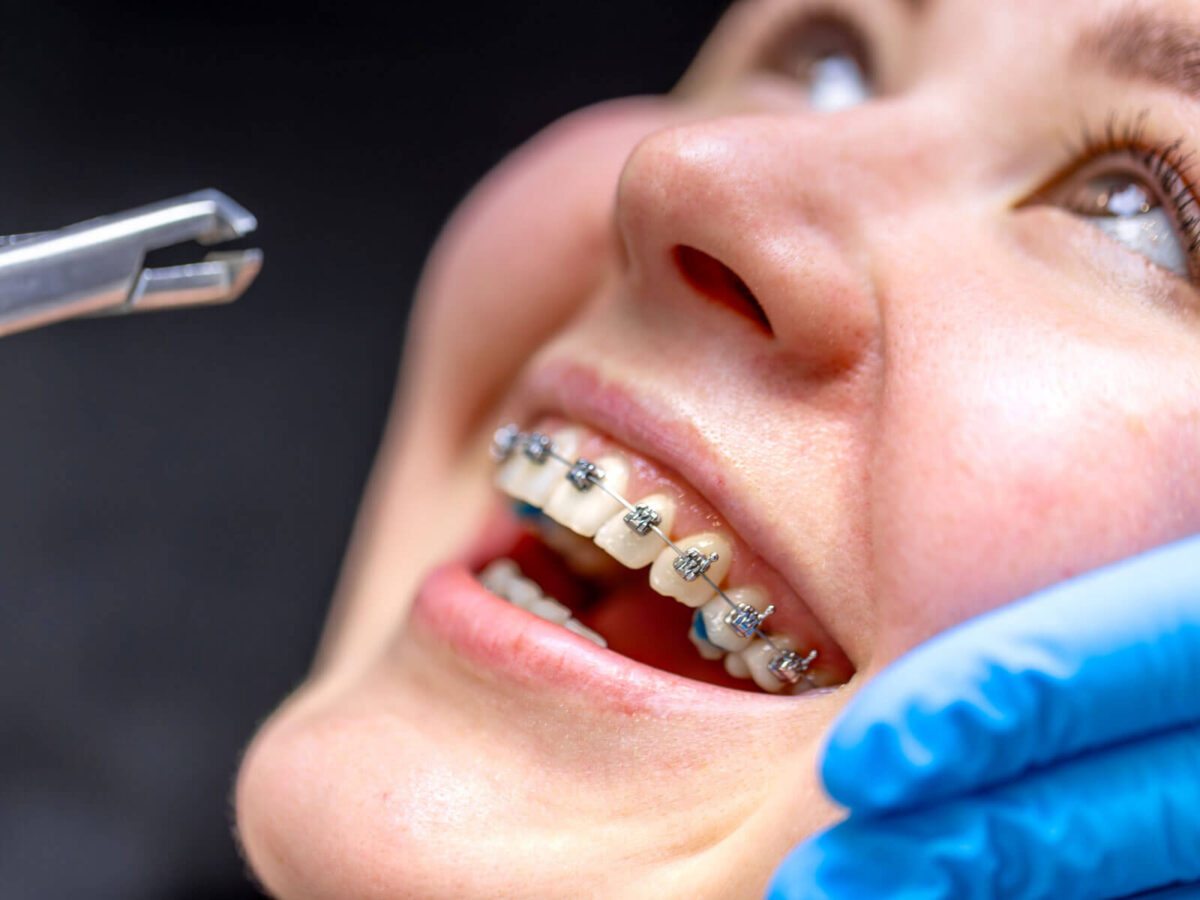
Ceramic Braces: Pros and Cons to Consider Before You Choose
A patient asked me last month why anyone still picks braces over Invisalign. Five minutes later, same appointment, she asked about ceramic ones specifically. Most people arrive at ceramic braces pros and cons by that same route, once they realize aligners aren’t the only discreet option sitting on the table.
Tooth-colored brackets, same mechanics as metal underneath. That’s the pitch in one line. What it skips over is the maintenance, the price gap, and the handful of cases where ceramic is the wrong call.
I’ve fitted plenty of adults with these over the years. The ones who stayed happy through treatment were the ones who knew what they were signing up for before the brackets went on.
TL;DR
- Ceramic braces blend in far better than metal, using clear or colored brackets like natural teeth.
- More fragile than metal, and roughly $1,000 – $2,000 pricier on average.
- The brackets resist staining well. It’s the clear elastic ties holding the wire that pick up color and need swapping.
- Treatment runs 18 to 36 months, similar to or a touch slower than metal.
- Against Invisalign, ceramic moves teeth faster and copes with more complex cases, at the cost of being visible the whole way through.
What Are Ceramic Braces, Exactly
The setup underneath is identical to metal braces. A bracket goes on each tooth. Then the archwire threads through, and elastic ties hold the whole thing together. Only the material changes. Cleveland Clinic describes clear braces as ceramic brackets paired with a tooth-colored wire that work the same way traditional metal ones do.
Most brackets are made from aluminum oxide, which handles ordinary biting force perfectly well on an ordinary day. It isn’t indestructible, though, and that distinction catches people out more often than I’d like.
Placement runs the same as metal. One bracket per tooth, wire in, tightened at every adjustment visit until things sit where they should.
What Are the Real Pros of Ceramic Braces
Far less visible. This is the entire draw. Clear or tooth-colored brackets disappear into your smile at conversational distance in a way gray metal never manages.
No compliance gap. Unlike aligners, ceramic stays bonded around the clock. Nothing to forget, nothing quietly stalling your timeline because a tray sat in a drawer for three days.
Handles more than aligners can. Severe rotation and real bite correction need force applied consistently through a fixed bracket, and plastic trays can’t always deliver it.
Fewer allergy concerns. Nickel sensitivity is among the more common reactions to dental appliances, and ceramic avoids the issue entirely for anyone who has reacted to metal before.
What Are the Real Cons of Ceramic Braces
More fragile than metal. The numbers behind that are stark: stainless steel deforms around 20% under stress before it gives, while ceramic fractures after less than 1% deformation. I’ve rebonded more ceramic brackets than I can count, usually after a patient forgot themselves with a pen cap or an ice cube.
Costs more. Budget somewhere around $1,000 to $2,000 above metal, though it climbs higher for complex cases and in higher-cost practices.
Bigger brackets, harder to keep clean. A ceramic bracket has a wider footprint on the tooth, which gives plaque more edges to collect around near the gum. Skip proper brushing for 2 weeks, and you’ll see the tissue redden around every bracket.
Repairs cost you time. A fractured bracket means an unscheduled visit to rebond it, and the tooth underneath sits idle until you get in.
Who Should Skip Ceramic Braces
Heavy chewers and anyone with a deep bite. If your lower incisors strike the back of your upper teeth when you close, a bracket bonded there is going to take repeated impact, and ceramic loses that fight.
Contact sports are the other one. A mouthguard helps, though a knock to the face puts more stress on a brittle bracket than a steel one, and rebonding costs you both time and momentum.
Teenagers land in a grey area. The aesthetic argument matters less at that age, and metal survives a school lunch better.
How Does Ceramic Braces Cost Compare
Expect ceramic braces cost to run above metal. Ten years ago that difference was steep enough to put people off. These days it’s a smaller premium than most patients assume. Most patients land somewhere in the $4,000 – $8,000 band, against roughly $3,000 and up for metal.
The premium covers material and chair time. Ceramic needs more care during placement, and a chipped bracket mid-treatment means an extra appointment your practice has to absorb somewhere.
Insurance rarely distinguishes between the two. Whatever orthodontic benefit your plan carries applies regardless of which bracket material ends up on your teeth, usually capped somewhere near $1,500 to $2,000 across your lifetime.
Curious What Ceramic Braces Would Cost for Your Case?
Get a real number based on your teeth, not a general estimate.
Do Ceramic Braces Actually Stain
Ceramic braces staining is the worry I hear most often, and the answer splits in two. The brackets hold their color well. Aluminum oxide doesn’t absorb pigment the way people assume it will.
What stains are the clear elastic ties looping around each bracket to hold the wire. Coffee, tea, turmeric, red wine. Give them three or four weeks of that, and they take on a distinctly yellow cast.
The remedy is already built into your treatment. Those ties come off and get replaced at every adjustment appointment. Discoloration only becomes an issue for patients who stretch the gaps between visits.
What Happens When Ceramic Braces Come Off
Debonding takes longer with ceramic than metal. The bracket can fracture as it releases, leaving fragments to be ground off the tooth, and that process needs care to avoid stripping enamel with it.
Ask your orthodontist how they remove them before you commit. Practices that use a proper debonding plier and take their time rarely cause trouble here.
Then retention, which applies whatever brackets you had. A retainer holds the result in place, and skipping it undoes the work regardless of what you paid to get there.
Which Is Better – Ceramic Braces or Invisalign
Ceramic braces vs Invisalign really comes down to what you’re willing to give up. Trays are closer to invisible day-to-day, but they only work while they’re in your mouth. Brackets stay put whether you remember them or not.
Ceramic also handles cases aligners struggle with. Severe rotation and bite corrections need sustained force through a fixed appliance, and plastic can only do so much of that work.
Cost lands in a similar band either way. What usually decides it is how complex your case is and whether you can live with visible hardware for a year or two.
Wondering If Ceramic Braces Suit Your Case?
A quick consultation settles it faster than comparing options online.
[Book Your Consultation]
FAQ
Do ceramic braces take longer than metal?
Slightly, in some cases. The material creates a bit more friction against the wire, though the difference is usually measured in weeks rather than months.
Can I get ceramic brackets on just my top teeth?
Yes, and plenty of patients do exactly that. You save a few hundred dollars, and the steel down below survives chewing far better than ceramic does.
Is my enamel at risk with ceramic brackets?
No more than metal would put it. Enamel damage comes from plaque sitting around a bracket for months, so your brushing decides that outcome rather than the bracket material.
Are ceramic braces more painful?
No. The pressure moving your teeth comes from the wire, and that part is identical either way.
Conclusion
Adults who want something quieter than metal without giving up the reliability of a fixed appliance tend to do well with ceramic. You pay more for it, you take a bit more care with what you eat, and you accept that the brackets are still visible up close.
Where I’d push back is on complex cases and heavy chewers. A scan and a proper look at your bite will tell you more about the ceramic braces pros and cons in your situation than any amount of reading will.
Ready to See If Ceramic Braces Fit Your Smile?
Get a personalized recommendation based on your teeth.

